Media & Outreach
Selected media coverage, policy engagement, and public outreach activities.
Media Coverage
- “Are Companies Being Ripped Off by Big Banks Over Share Buybacks?” — The Sunday Times, September 2023
- “How Gender Diversity and AI are Changing the Fintech Industry” — SocietyBytes Science Magazine, August 2023
- “If Companies Are Going to Buy Back Shares, They Should Pay a Fair Price” by Brooke Masters — Financial Times Weekend Edition, July 2023
- “Governance from the Perspective of Science, Administration, and Industry” — Künstliche Intelligenz im Staat, February 2022
- “Artificial Intelligence in the Financial Industry” — PostFinance Pionierblog, February 2022
- “Jörg Osterrieder from ZHAW on Fintech, Open Banking, and Blockchain” — Netzwoche Magazine, November 2021
- “Greater Zurich Boosts AI in Finance” — Greater Zurich Area News, October 2021
- “Artificial Intelligence Must Not Be a Black Box” — Fintech Interview, September 2020
Policy Engagement
- Academia–Government Policy Workshop on AI in Finance, European Commission, Brussels — Organizer, May 2024
- Academia–Government Policy Workshop on AI in Finance, COST Association, Brussels — Organizer, May 2023
- Research Workshop on Blockchain, Hungarian Central Bank, Budapest — Speaker, April 2021
- Research Workshop on Artificial Intelligence, Hungarian Central Bank, Budapest — Speaker, March 2020
- Research Workshop on Big Data, Hungarian Central Bank, Budapest — Speaker, June 2019
- Academia–Industry Round-Table Discussion: Big Data Analytics in FinTech, Zurich, Switzerland — Organizer, July 2019
Public Outreach Events
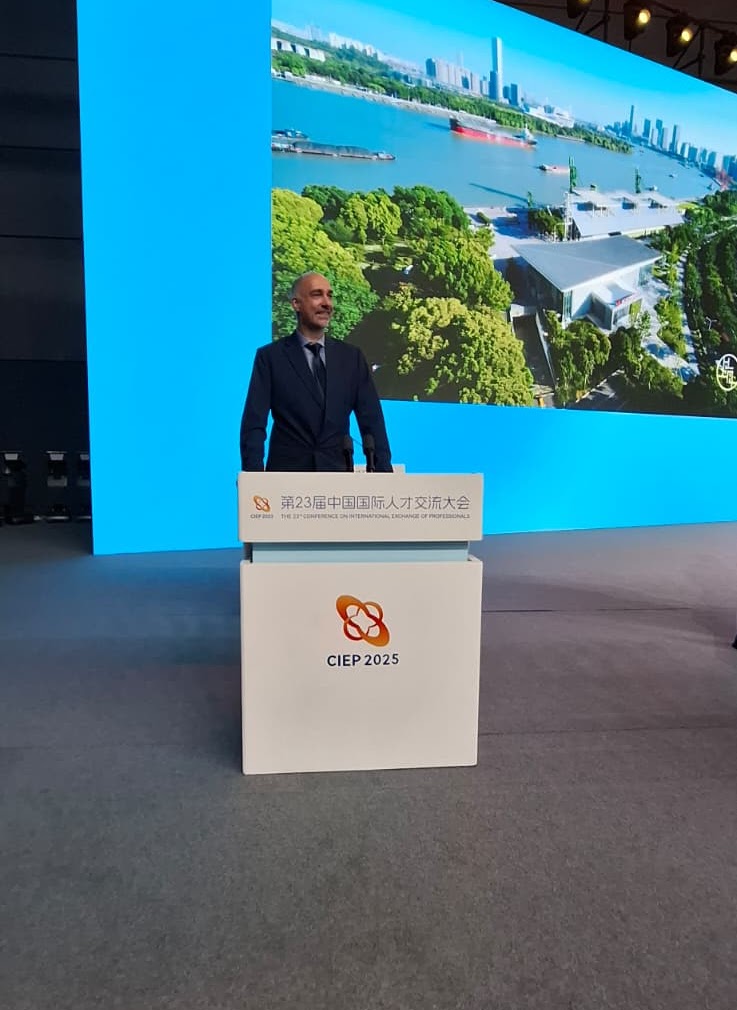
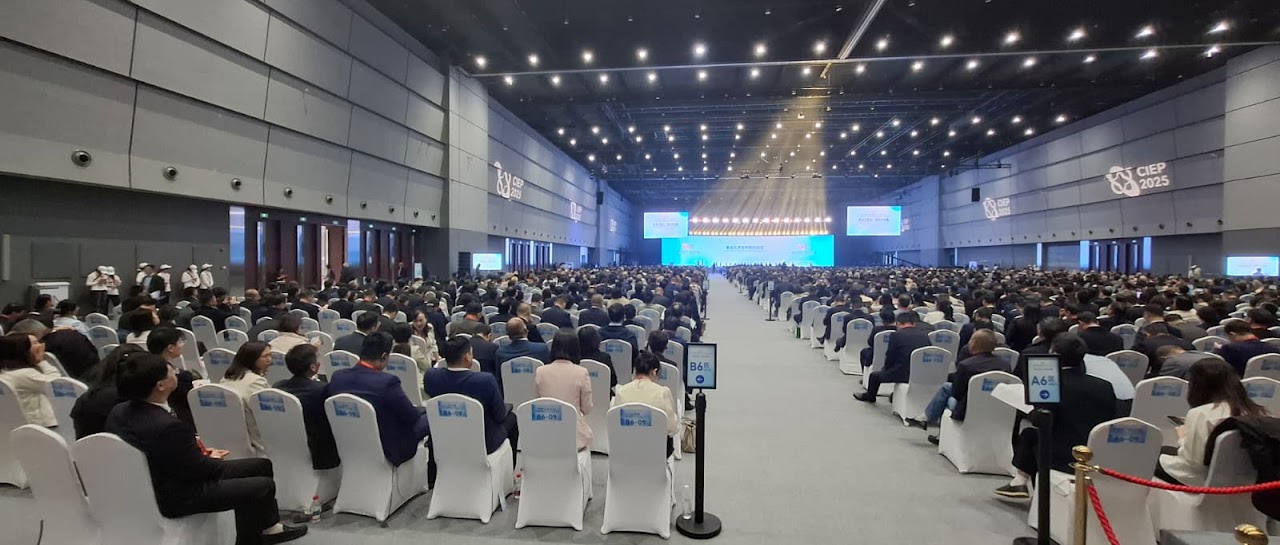
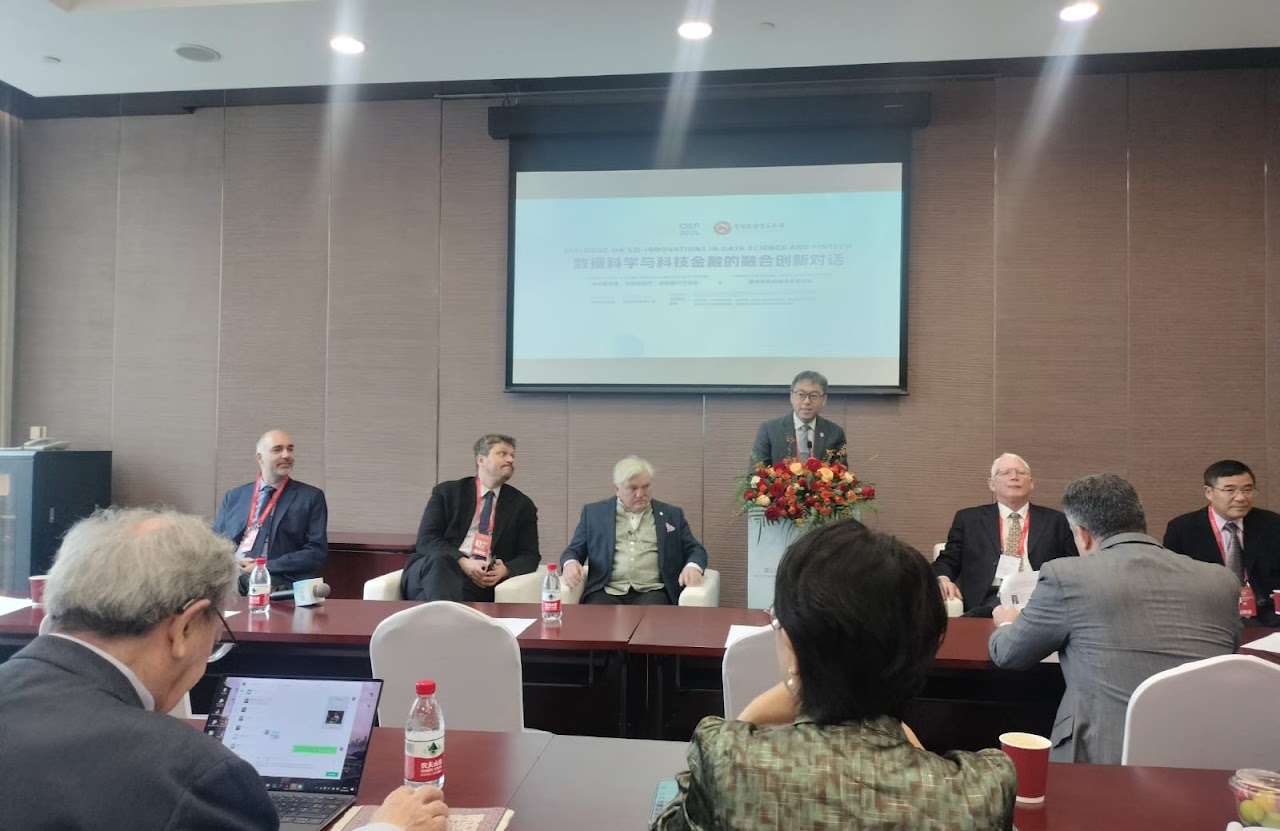
23rd China International Talent Exchange Conference — Data Science, Fintech and Digital Economy
October 20–23, 2025, Shanghai
The 23rd China International Talent Exchange Conference brought together international and Chinese scholars across three distinct sessions in October 2025, spanning a roundtable on economic resilience, a meeting with editors-in-chief of leading finance journals, and a young-scholars forum on the future of digital finance research. Participation connected the Foreign Talent Research Center on Fintech and Financial Econometrics with international collaborators, and positioned the work of the University of Twente and Bern Business School inside the wider Chinese research community.
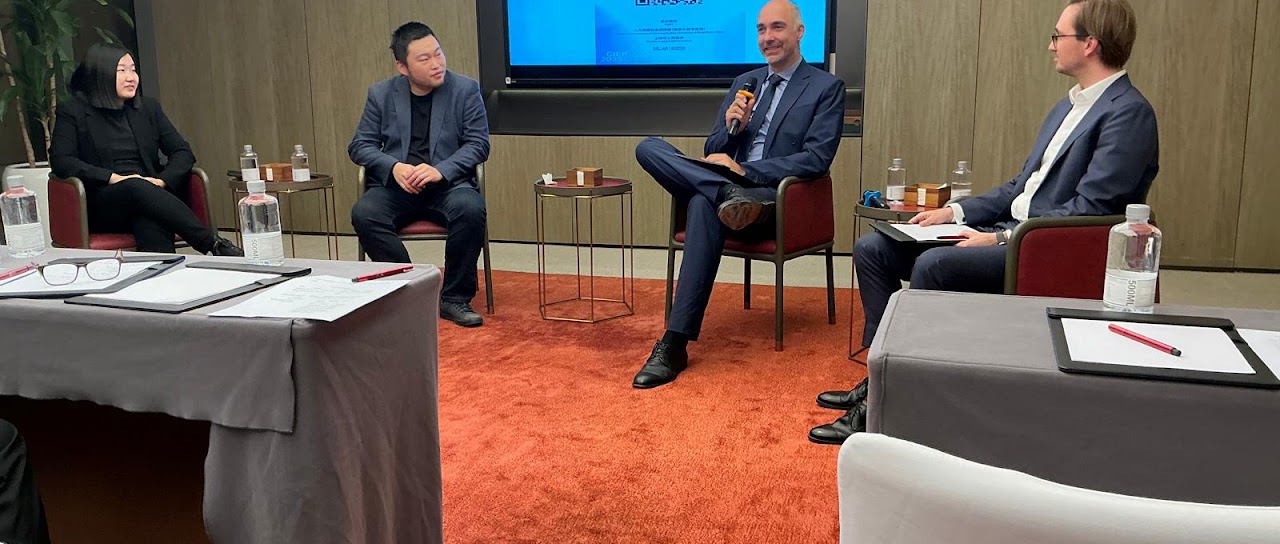
Roundtable: “Economic Resilience in Emerging Markets”
October 20, 2025, Shanghai Yoja Hotel
The roundtable convened international scholars for an in-depth discussion of economic resilience in emerging markets. Participants included Susan Sharma (Deakin University), Liu Guanyu (Capital University of Economics and Business), Georg Keilbar (Humboldt University of Berlin), Jörg Osterrieder (University of Twente), Lu Qiao (Leeds University), and Suyang Li (Swansea University). The session compared empirical findings on emerging-market fragility with policy responses under way across several jurisdictions, drawing on each participant’s area of expertise.
A China’s Story, A Global Research: Meeting with Editors
October 22, 2025, Shanghai World Expo Conference Center
The Foreign Talent Research Center on Fintech and Financial Econometrics has, since its establishment, prioritised the promotion of research achievements in philosophy and social sciences with Chinese characteristics. Editors-in-chief and associate editors from internationally authoritative and leading journals have been invited to join the Center, providing an international platform for disseminating outstanding Chinese research in the social sciences. The session agenda covered an introduction to journal characteristics and scope, a discussion of how to promote higher-quality publications by Chinese scholars, and a survey of recent call-for-papers directions across the participating journals.
The participating journal editors were Jianqing Fan (Co-Editor, Journal of the American Statistical Association; Frederick L. Moore Professor and Chair of Finance, Princeton University; Professor and Dean, School of Data Science, Fudan University); Wolfgang Härdle (Editor, Digital Finance; School of Business and Economics, Humboldt University of Berlin); Jonathan Batten (Co-editor, Finance Research Letters and Risk Management; Professor of Finance, Royal Melbourne Institute of Technology, Melbourne, Australia); Peter Szilagyi (Editor, Elsevier’s Journal of International Financial Markets, Institutions & Money; Professor of Finance, EDHEC Business School); and Joerg Osterrieder (Editor, Management and Marketing; University of Twente and Bern Business School).
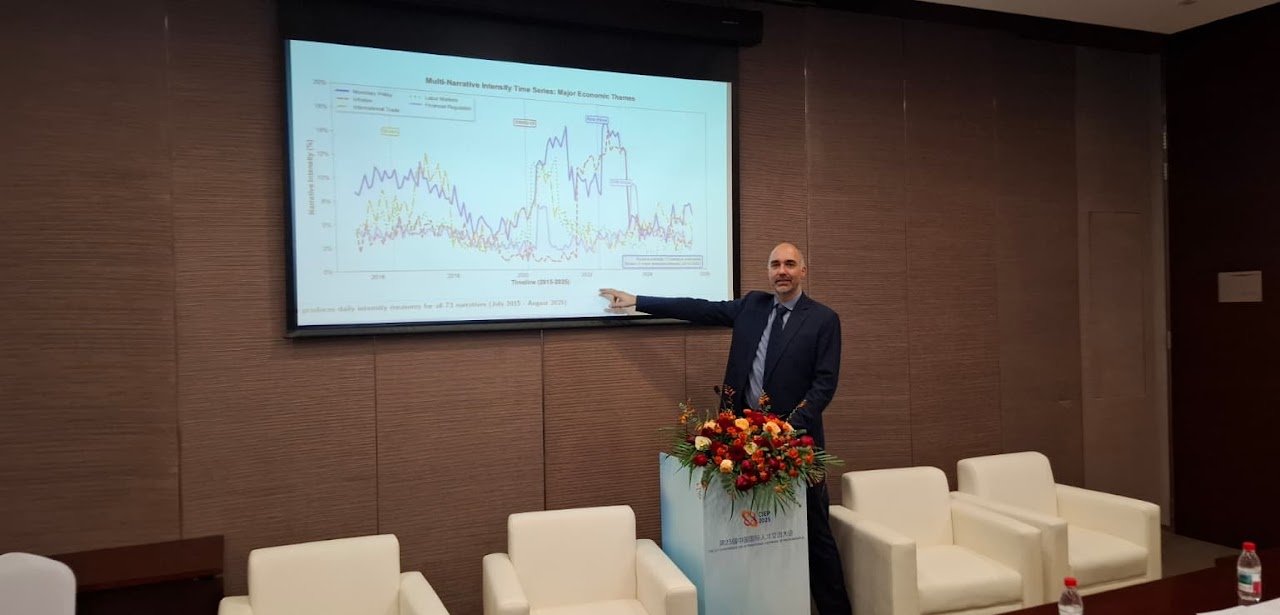
Towards The Future: Young Scholars Forum
October 22, 2025, Shanghai World Expo Conference Center
Cultivating the next generation of researchers in terms of rigour and international scope is the essence of education, and the Young Scholars Forum was designed around that premise. The session featured two keynotes and a selection of papers by early-career researchers, with a keynote by Joerg Osterrieder (University of Twente / Bern Business School) on Digital Finance: Non-Systematic “Systematics,” LLM Narratives, and High-Frequency Trading Around Macro-News Announcements.
The forum was organised by the Capital University of Economics and Business (CUEB) under Prof. Yezhou Sha, with co-organisers from the International Office, the School of Economics, the School of Labour Economics, the School of Finance, the School of Statistics and Data Science, and the International School of Economic Management at CUEB, together with the Institute of Beijing Digital Economy Development and the Foreign Talent Research Center on Fintech and Financial Econometrics.
ECB–MSCA Kick-off Event
September 23, 2025, Eurotower, Frankfurt am Main
Presentation of the MSCA Industrial Doctoral Network on Digital Finance — introduction to the network and an overview of the pipeline of research.
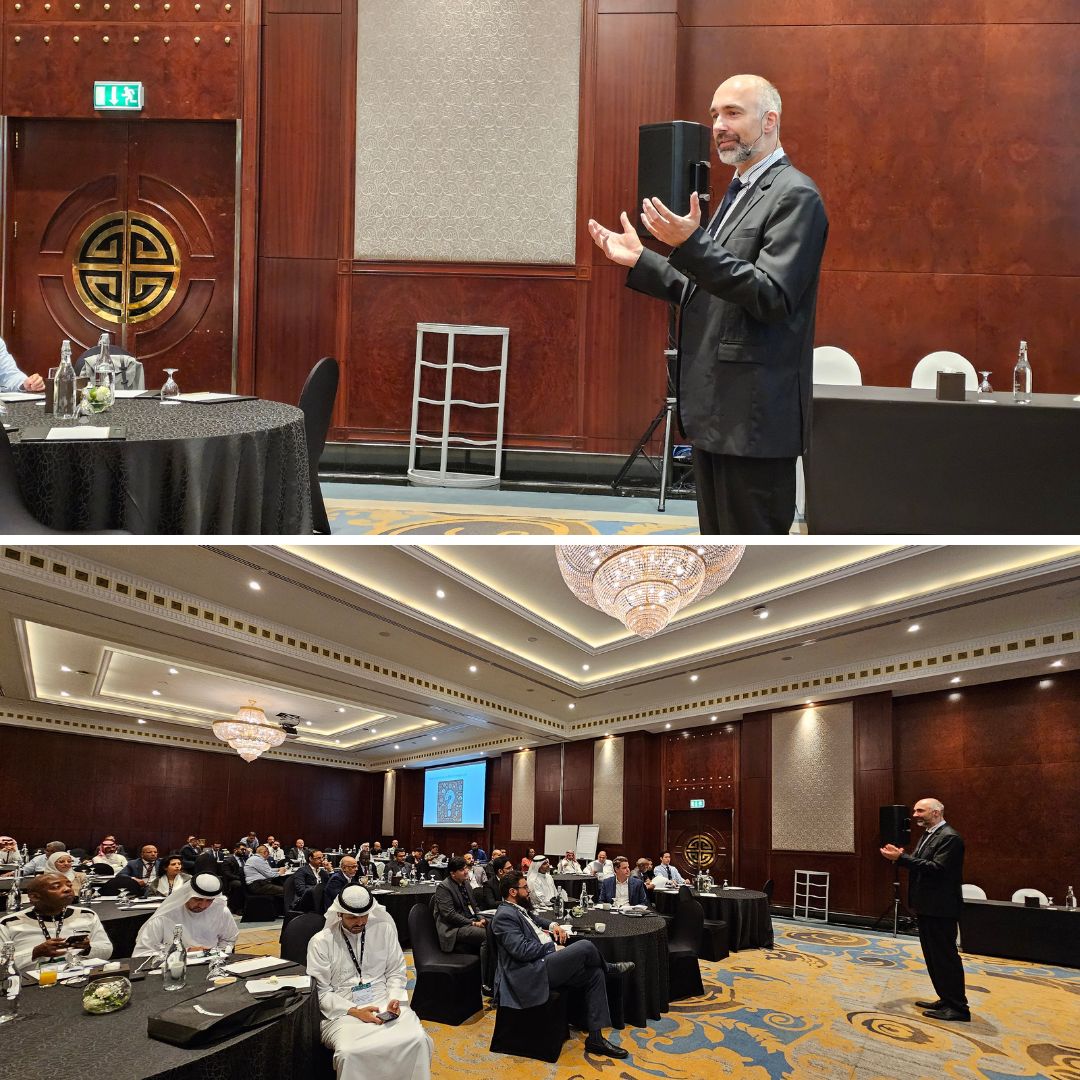
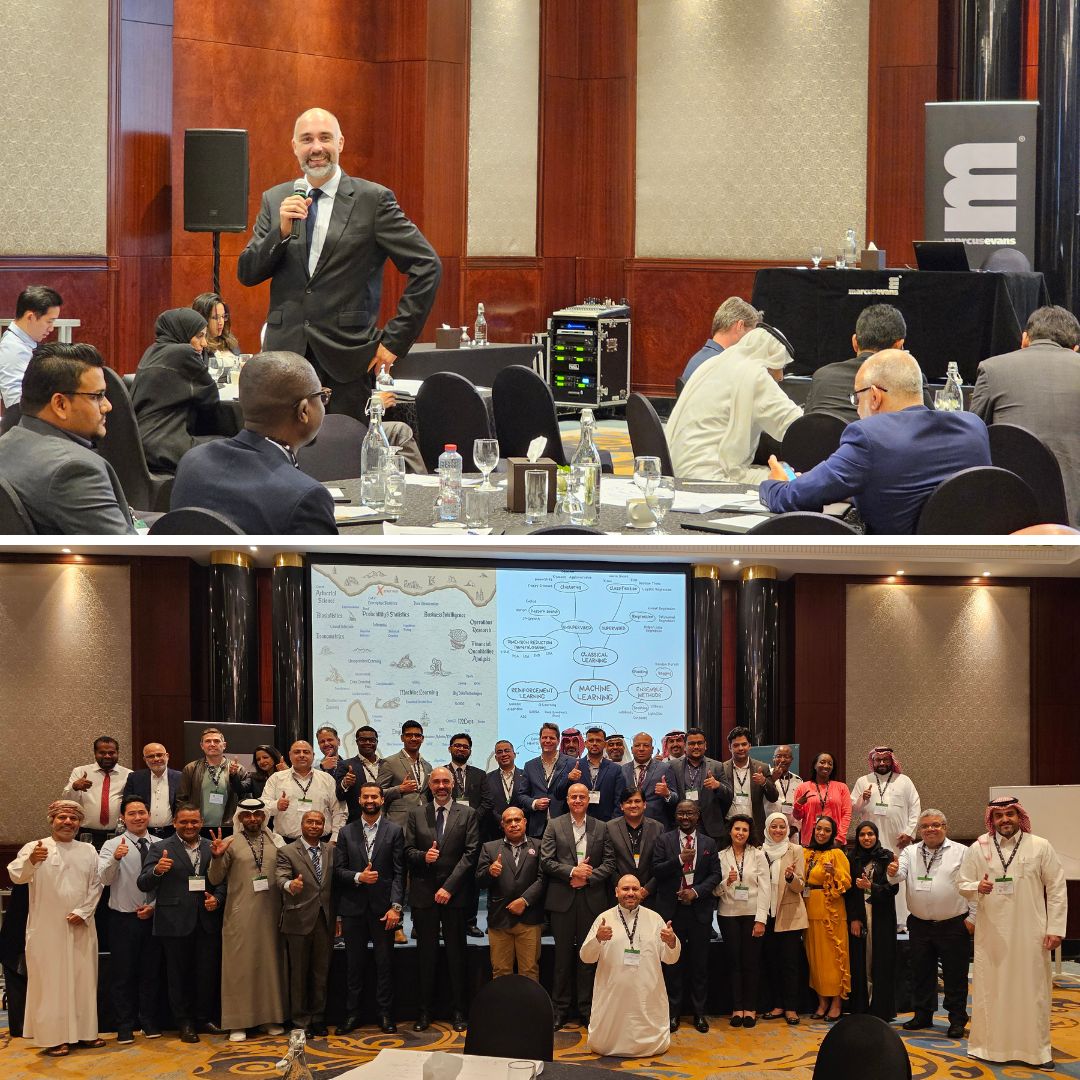
15th Annual MENA CFO Conference — Post-Conference Workshop
| *Dubai, UAE | Dusit Thani Dubai* |
On the final day of the 15th Annual MENA CFO Conference, Joerg Osterrieder led the post-conference workshop on Leveraging Generative AI for Strategic Financial Leadership, designed to equip CFOs and finance leaders with concrete strategies for integrating AI-driven tools into their financial planning, forecasting, and decision-making processes. The workshop paired conceptual foundations with practical implementation guidance across governance, technical infrastructure, and risk-management integration, and drew on real-world case studies to make the material immediately applicable.
Workshop Overview
The session, titled Leveraging Generative AI for Strategic Financial Leadership, covered AI-driven financial forecasting — how generative AI and large language models can improve forecasting accuracy by integrating structured and unstructured data sources — as well as the ethical and governance considerations that matter for AI adoption in finance, including model explainability, bias detection, and risk-management frameworks. A practical implementation track covered integration of AI into existing finance systems, with real-world case studies on revenue forecasting and scenario planning.
Technical Highlights
The technical section of the workshop examined transformer architectures and prompt engineering for finance-specific tasks, and the integration of generative models into scenario analysis, stress testing, and management reporting. It then addressed data engineering and model deployment — time-series alignment, missing-data imputation, deployment pipelines, model monitoring, and continuous learning — before turning to governance and regulatory compliance. Frameworks were presented for embedding AI into financial workflows while meeting Basel III/IV, IFRS 9, and related standards, with explainability tools such as SHAP and LIME used to support transparency and regulatory audit. A final block on risk-management integration covered techniques for incorporating AI forecasts into Value-at-Risk models, stress testing, and scenario analysis, with human-in-the-loop systems overseeing AI outputs in critical decision processes.
Key Outcomes
Participants gained practical insights into integrating generative AI into financial leadership roles with a focus on efficiency and innovation, took away step-by-step frameworks for evaluating and deploying AI models in finance, and engaged in detailed discussions around regulatory alignment, data governance, and the risk-management considerations that accompany AI adoption. The workshop was facilitated by Joerg Osterrieder, Professor of Finance and Artificial Intelligence, MSCA Digital Finance, Switzerland.
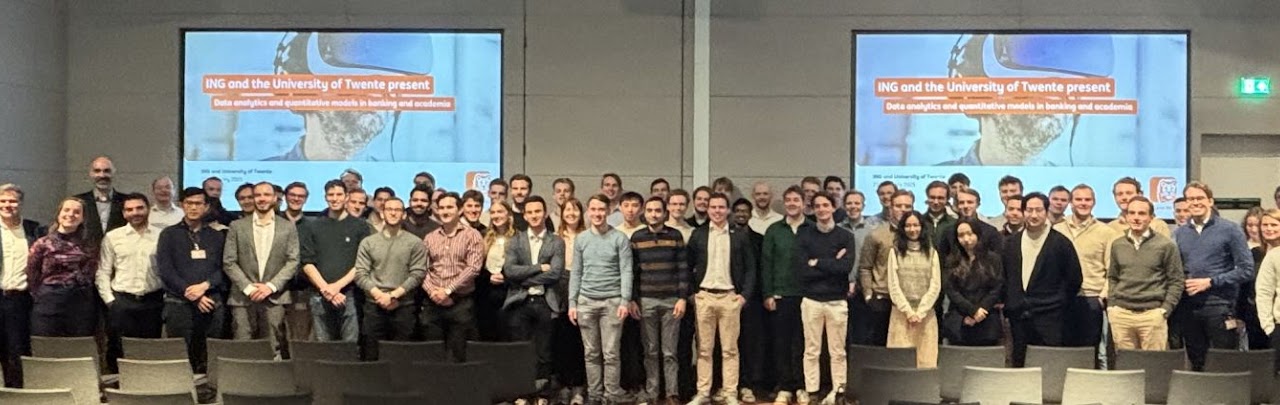
ING–University of Twente Workshop: Data Analytics and Quantitative Models in Banking and Academia
February 28, 2025, ING Headquarters, Amsterdam
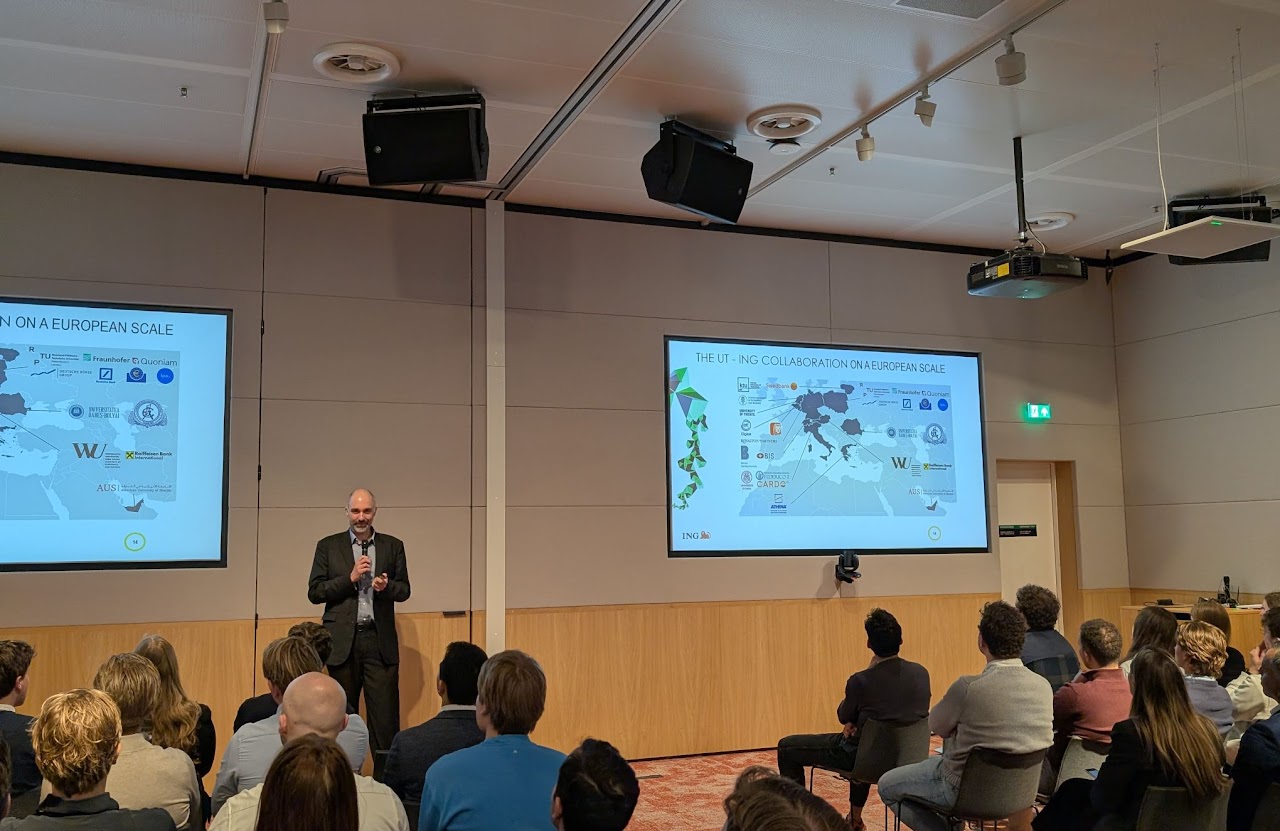
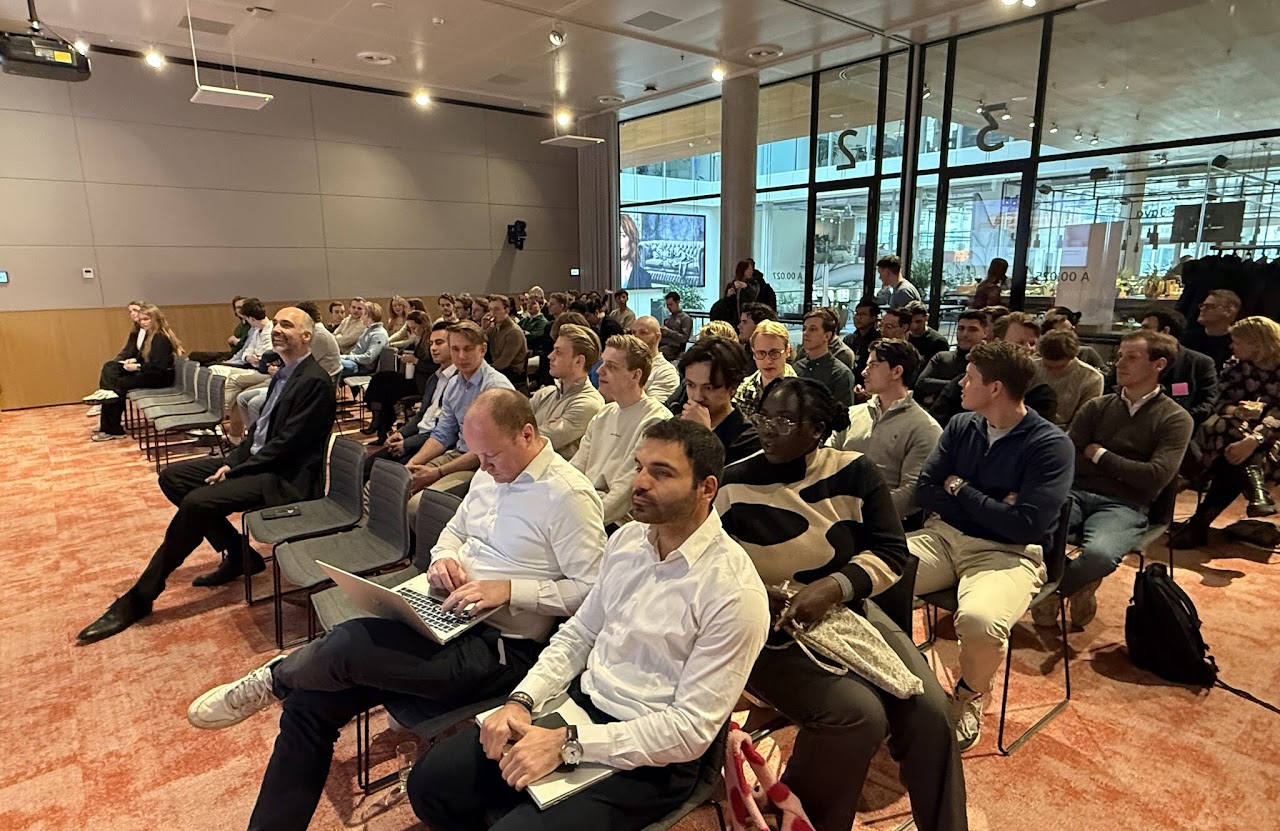
The ING–Twente workshop gathered more than 80 professionals, academics, and students to discuss developments in finance, risk management, artificial intelligence, and data science. Joerg Osterrieder and Anouk Bleumer organised and led the workshop, designing the programme and shaping the discussion around how academic research can be applied to concrete industry challenges. Starting with an introduction by Jos van Hillegersberg, the event featured presentations from key experts: Max Baak on data analytics and generative-AI applications in banking; Wilco den Dunnen on economic-capital models and their role in risk management; Domenico Soluri on model validation and climate-risk assessments; Adriano Barasal Morales on spatial finance and using satellite data in financial decision-making; and Anil Raina on model-implementation best practice.
Participants then joined one of three hands-on workshops: Multi-agent LLM for scenario analysis, led by Joerg Osterrieder and Max Baak; Explainable Reinforcement Learning in Finance, led by Wouter van Heeswijk, which addressed AI transparency in compliance with the European AI Act; and Hands-on Credit Risk Model Implementation, led by Anil Raina. Results were presented by Frederik Sinan Bernard and Anouk Bleumer, highlighting practical applications of research in quantitative finance. The event marked a deliberate step toward bridging academia and industry, with future collaborations under the MSCA Digital Finance European Industrial Doctoral Network and the COST Fintech and Artificial Intelligence in Finance action intended to continue strengthening research-driven innovation in banking and finance.
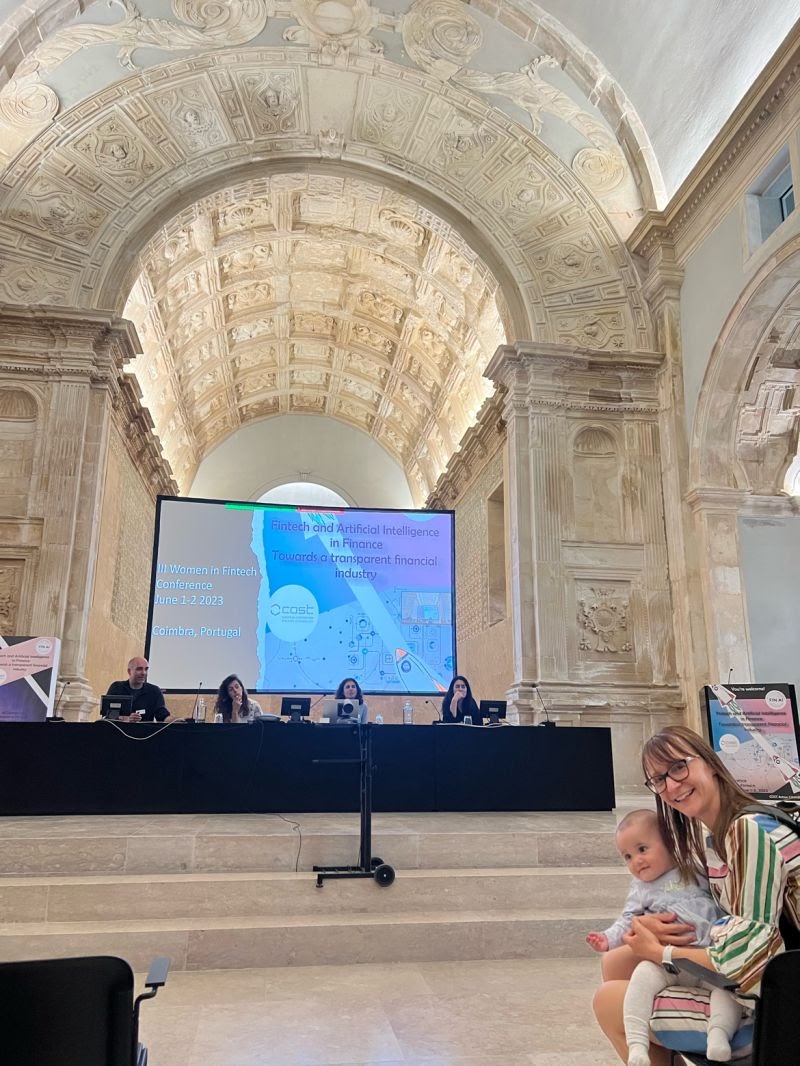
COST Fintech and Artificial Intelligence in Finance
Meeting held at Coimbra University — one of the oldest universities in the world and the oldest in Portugal, founded in 1290. Discussions focused on topics of the twenty-first century: Fintech, Artificial Intelligence, and diversity in finance.
European Summer School in Financial Mathematics at Delft University of Technology
Organised by Antonis Papapantoleon and his team. The summer school brought together researchers and students to advance the field of financial mathematics.
Digital Transformation of EU’s Financial Markets — European Financial Regulation Conference 2022
Panel discussion on the digital transformation of EU’s financial markets (timestamp 1:19:00), with:
- Mattias Levin, Deputy Head of Unit, Digital Finance, European Commission
- Ralf Schneider, Allianz Group CIO
- Fabiana Mingrone, Country Manager Germany, International Card Services, American Express
Bank for International Settlements: IFC Workshop on Data Science in Central Banking
February 14–17, 2022, BIS
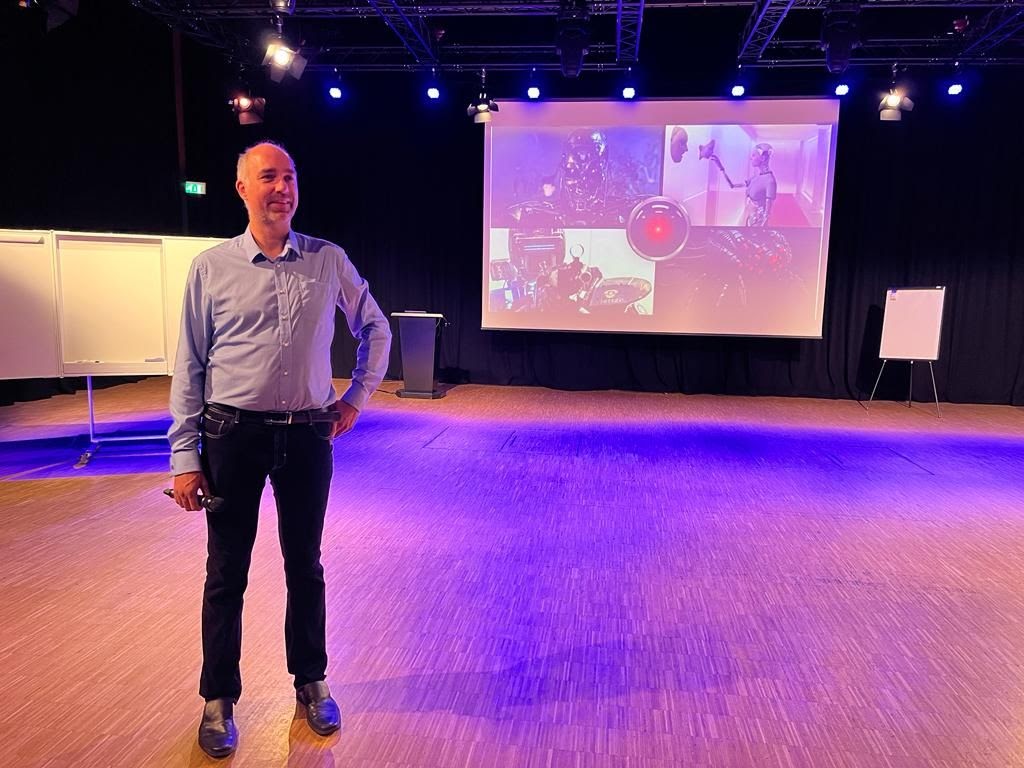
Keynote speech: Artificial Intelligence in Finance — Quo Vadis (introduced by the Vice-Governor of the South African Reserve Bank, Head of the Irving-Fisher Committee). Part of the IFC–Bank of Italy workshop on “Data science in central banking”, Part 2: Data Science in Central Banking: Applications and Tools.
Photo Gallery