GREEN FINANCE#
Advancing Higher Education for Sustainable Growth in Southeast Asia
Project Overview#
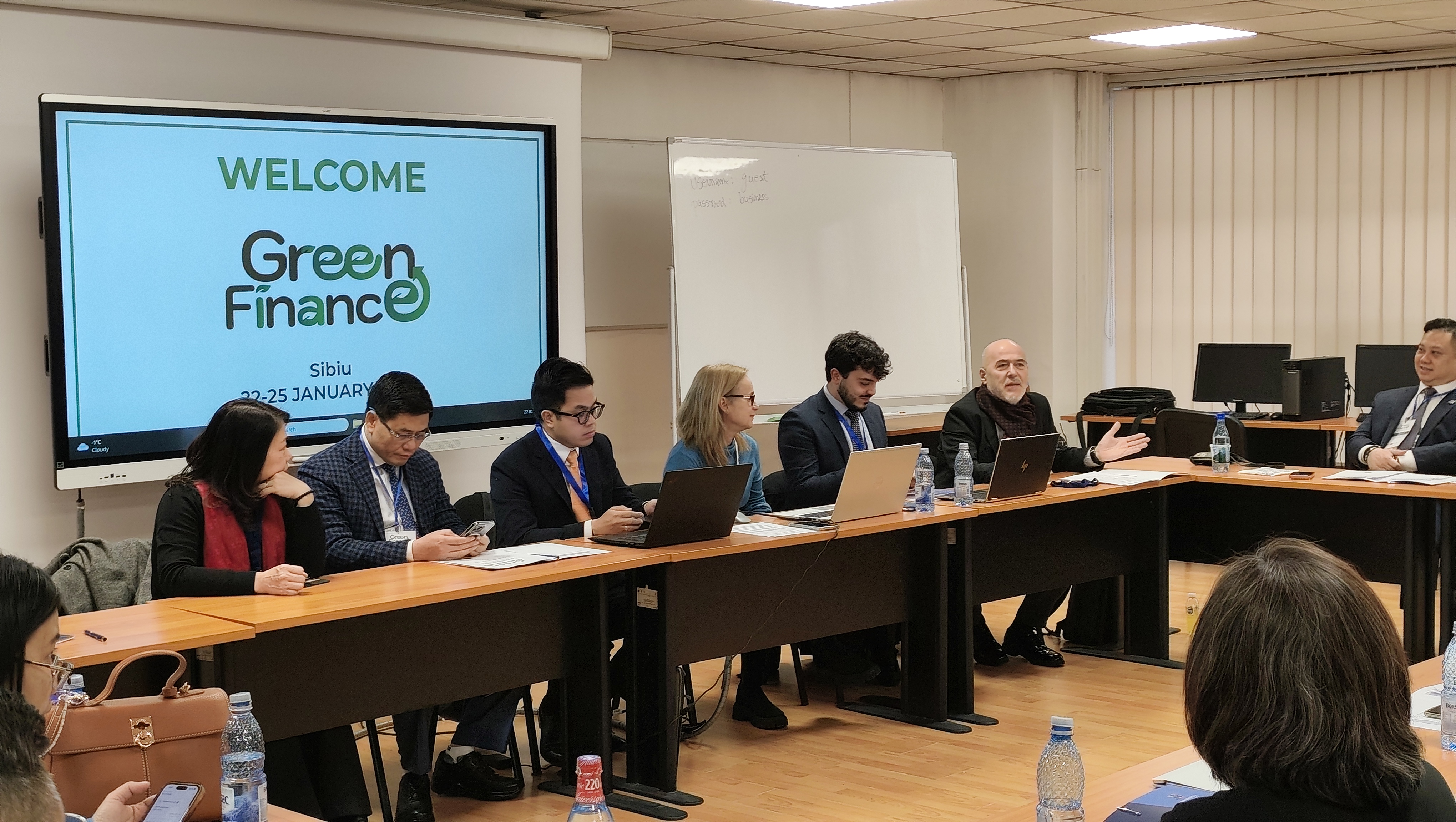
The GREEN FINANCE project is an Erasmus+ Capacity Building in Higher Education (CBHE) initiative that brings together 11 universities from 8 countries to modernize green finance education in Southeast Asia.
Key Facts#
| Grant Number | 101237817 |
| Programme | Erasmus+ CBHE Strand 2 |
| Duration | 36 months (December 2025 - November 2028) |
| Countries | 8 (Romania, Poland, Netherlands, Italy, Belgium, Vietnam, Thailand, Philippines) |
| Partners | 11 universities |
Project Rationale#
Climate change negatively impacts ASEAN countries, particularly the Philippines, Thailand, and Vietnam. These nations are implementing ambitious reforms to achieve Sustainable Development Goals (SDGs) and green economic transformation.
The Challenge: Higher education in the Philippines, Thailand, and Vietnam lacks the capacity to provide green finance skills crucial for the green transition. ASEAN needs $210 billion annually for green transition, but the lack of technical capacity and skills undermines implementation.
The Solution: The GREEN FINANCE project aims to modernize higher education by:
- Developing innovative curricula structured as micro-credentials
- Adopting practice-based teaching methods aligned with European Green Deal principles
- Equipping graduates with essential competencies for a net-zero economy
Strategic Objectives#
SO1: Strengthen Capacity#
Train 60+ ASEAN staff in research, curriculum development, and teaching in green finance through co-created curricula, joint research topics, and mobility programs.
SO2: Modernize Teaching#
Develop 1 micro-credential program per Asian HEI and engage 400+ students in curriculum testing and validation.
SO3: Enhance Internationalization#
Establish 50+ international stakeholder contacts through mechanisms fostering ASEAN-EU collaboration in green finance.
SO4: Bridge Education-Work Gap#
Sign 30+ MoUs with banks, enterprises, business associations, and policymakers to connect education with the labor market.
EU Strategic Alignment#
The project aligns with major EU initiatives:
- European Green Deal - Supporting green transition, green jobs, and climate-neutral investments
- Global Gateway Initiative - Connecting with EU development programs in Asia
- Team Europe Initiative - Including the EUR 60 million Green Economy Programme (Philippines) and EUR 500 million Just Energy Transition Partnership (Vietnam)
Expected Impact#
For Students#
- 400+ students trained in green finance
- Hands-on experience through industry internships
- Enhanced employability in the growing green economy
For Universities#
- New micro-credential programs in green finance
- Strengthened research capacity
- International networks and partnerships
For the Private Sector#
- Access to skilled graduates
- Collaboration on curriculum development
- Support for green transition workforce needs
For Policy#
- Evidence-based recommendations for green finance education
- Micro-credential integration into national frameworks
- Regional cooperation models
Project Structure#
The project is organized into 5 Work Packages:
| WP | Title | Lead |
|---|---|---|
| WP1 | Project Management & Quality Assurance | ULBS (Romania) |
| WP2 | Preparation & Capacity Building | ULBS (Romania) |
| WP3 | Curriculum Development | University of Twente (Netherlands) |
| WP4 | Programme Delivery & Validation | Ateneo de Manila (Philippines) |
| WP5 | Dissemination & Sustainability | Payap University (Thailand) |
Quick Links#
- Partners - Meet our consortium
- Work Packages - Detailed WP descriptions
- Curriculum - Green Finance modules
- Timeline - Project milestones
- Team - Contact persons
- News - Latest updates
Acknowledgment#
Co-funded by the European Union
This project has received funding from the European Union’s Erasmus+ programme under Grant Agreement No. 101237817. Views and opinions expressed are those of the authors and do not necessarily reflect those of the European Union or EACEA. Neither the European Union nor the granting authority can be held responsible for them.
(c) Joerg Osterrieder 2025